Breaking down the numbers further, we find that:
23 countries
have recorded
between 10 and 100 fatalities
this year — already a worrying signal of widespread instability.
The situation becomes even more severe when we move up the scale:
26 countries
have suffered
between 100 and 1,000 fatalities,
placing them in the category of medium-intensity conflicts.
But the most alarming figure comes last:
24 countries
have already endured
more than 1,000 fatalities each
this year — a stark reminder of how concentrated and devastating modern conflicts have become.
As the bar chart shows, the countries with the highest fatalities in 2025 are Ukraine, Sudan, Palestine, Myanmar and Nigeria.
We will then see how fatalities and media coverage compare for these and other conflicts.
Visualizing the Gap
By comparing conflict fatalities to news articles published, we can visualize the attention gap.
Some conflicts receive extensive media coverage, while others stay more under the radar — despite similar levels of violence.
As an example, take a look at Palestine and Myanmar: both have suffered over 15,000 fatalities in 2025, yet the volume of news coverage differs drastically.
Moreover, conflicts that last for years tend to receive less attention over time, while fatalities accumulate steadily or even increase.
While the chart above compared conflict fatalities with the volume of media mentions, we now take a look not just at how much attention a conflict gets, but also at who is giving it.
This section shifts from the fatality-mentions relationship to the geography and direction of attention. The following map shows which countries talk about which other countries — i.e., the senders and the targets of media coverage — and how it evolves over time.
How to explore: Switch between map and chord views • Click any country to see details • Open the info icon for weekly headlines and sources
The dashboard highlights how media attention toward conflict has shifted over the past decade.
From 2015 through roughly 2020, the Syrian civil war consistently dominated coverage, reflecting both the scale of civilian casualties and the involvement of multiple international actors. During the same period, the Israeli–Palestinian conflict and Russia also drew sustained attention.
Beginning in 2021, however, the focus shifted sharply: in 2022, Ukraine rapidly came to dominate global media coverage following Russia’s full-scale invasion in February of that year.
By contrast, several conflicts with extremely high human costs—notably in Myanmar and Burkina Faso—received comparatively limited attention, despite years of sustained violence and large numbers of casualties.
Another striking pattern is the near absence of South American coverage. Ongoing violence in countries such as Brazil, where conflict-related deaths have reached into the thousands in recent years, rarely appears in global media attention at the same scale as conflicts elsewhere.
Overall, the data suggest that sudden, visually dramatic events—such as major attacks, bombings, or military invasions—are more likely to drive spikes in coverage than prolonged conflicts marked by steady but less spectacular violence. This pattern is visible, for example, in mid-November 2015, following the ISIS attacks in Paris, and again in early October 2023, after Hamas launched large-scale attacks in Israel. In both cases, global attention surged briefly before receding.
The chord diagram further illustrates these dynamics by showing how attention flows between regions. Most coverage remains inward-looking, with continents focusing primarily on conflicts within their own borders. South America and Oceania stand out for their limited presence, reflected in consistently thin connections compared with other regions.
Behind every statistic is a human story
Stories Behind the Data
While data visualizations provide a broad overview of global conflict trends, they often miss the individual human experiences
that underpin these statistics. In this section, we delve into specific conflicts to highlight the personal stories and historical contexts that shape them.
The Myanmar Tragedy
Voices from Silence
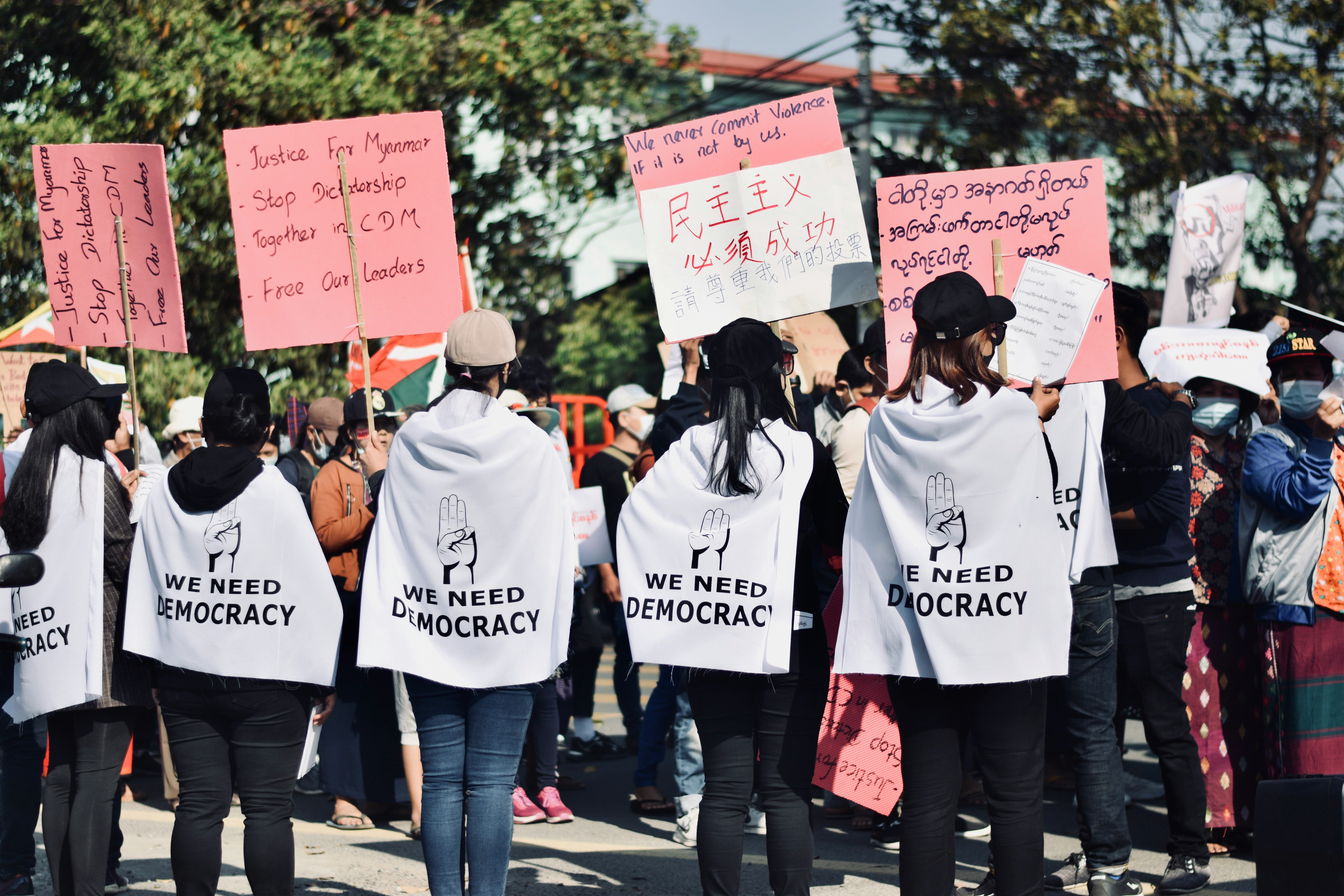
In recent years, Myanmar has been engulfed in escalating conflict and deepening humanitarian crises, as long-standing ethnic tensions, military repression, and political instability have converged to push the country into one of Southeast Asia’s most severe and protracted emergencies.
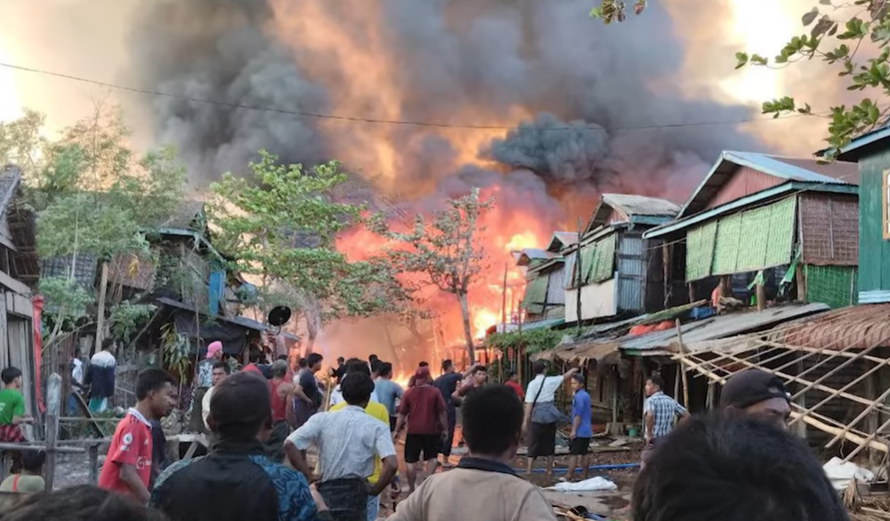
Violence intensified in 2016 and 2017, when attacks on border police posts in Rakhine State prompted sweeping military crackdowns. These operations escalated into mass killings, widespread arrests, and the destruction of entire villages.
As a result, more than 750,000 Rohingya Muslims fled to neighboring Bangladesh according to the UN Refugee Agency, creating one of the world’s largest and most protracted refugee crises.
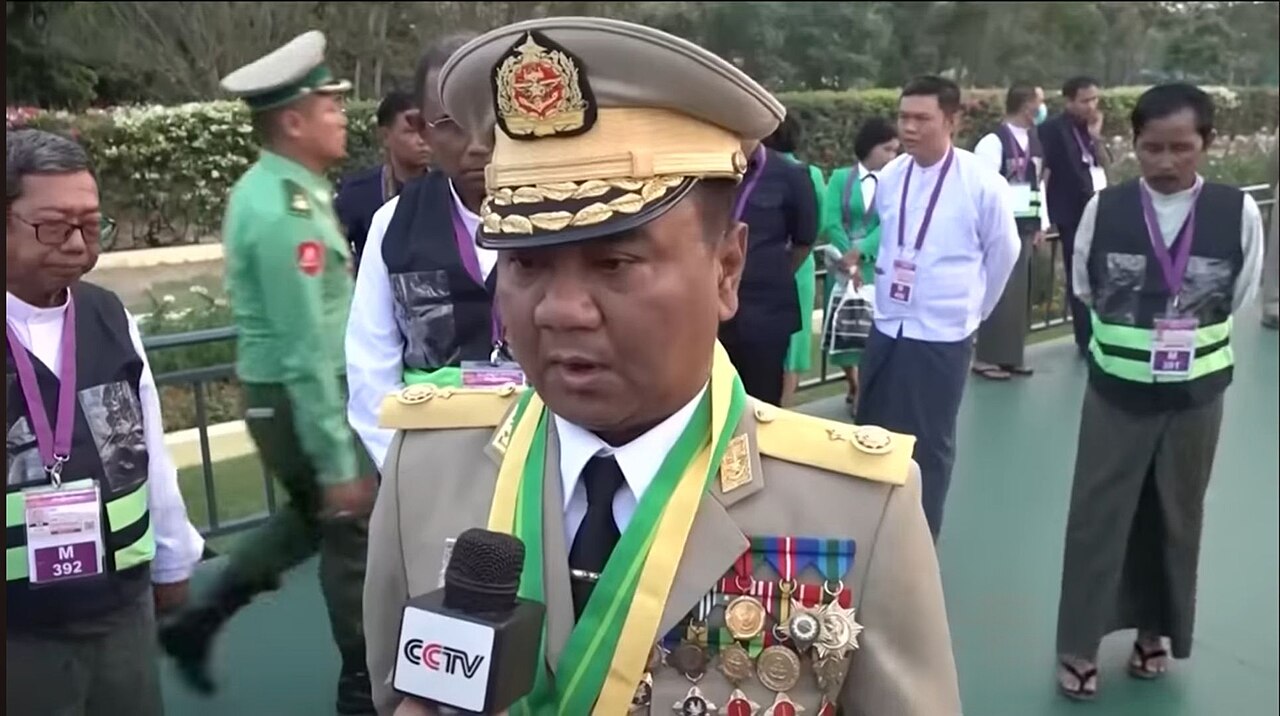
The country’s instability deepened further in February 2021, when the military seized power in a coup following a general election won by Aung San Suu Kyi's National League for Democracy. The military’s refusal to recognize the result sparked nationwide protests, followed by violent crackdowns.
Since then, millions have been displaced, as security forces clashed with pro-democracy demonstrators and an expanding network of armed resistance groups.
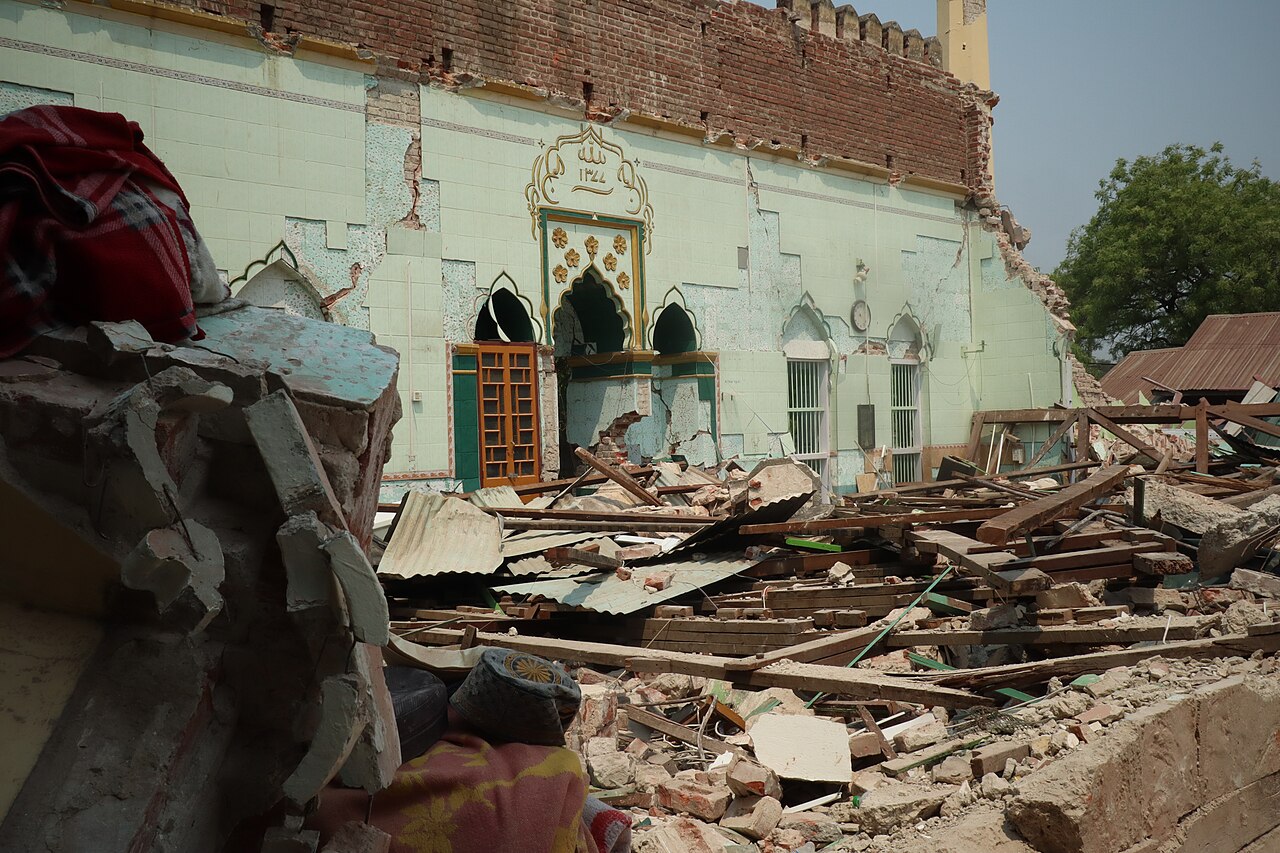
Through the mid-2020s, Myanmar has remained locked in a fragmented civil conflict, marked by airstrikes, scorched-earth tactics, and the collapse of basic services in many regions.
The prolonged violence has compounded food insecurity, restricted humanitarian access, and left large parts of the population caught between military forces and insurgent groups, with no clear path toward political resolution.
Rohingyas at the Kutupalong refugee camp in Bangladesh, October 2017
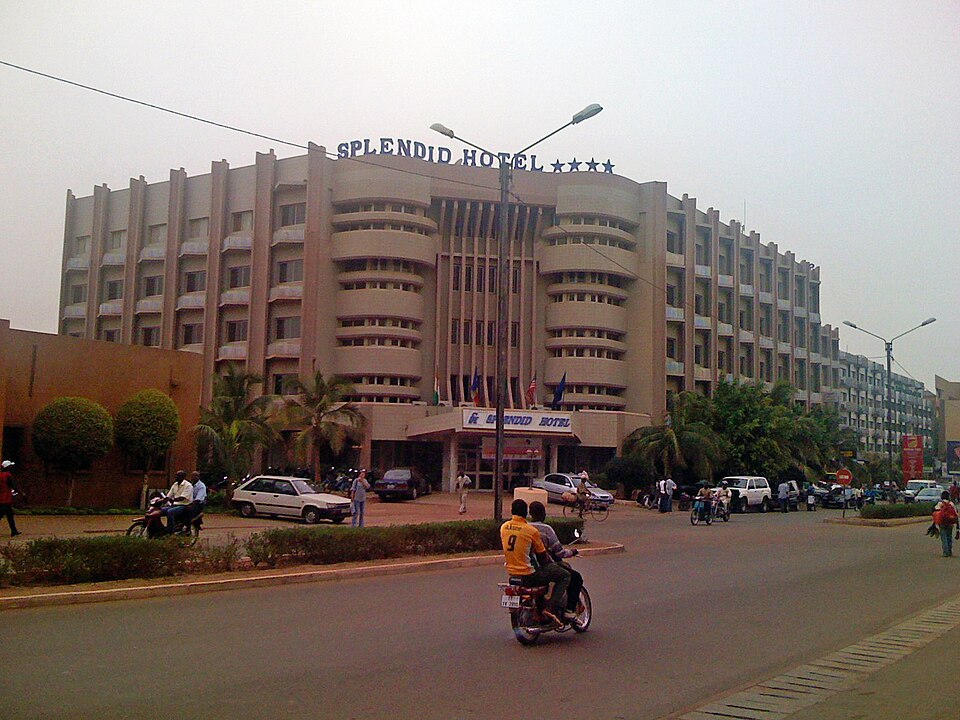
In recent years, Burkina Faso has been pulled into one of West Africa’s most violent and protracted security crises, as a jihadist insurgency and chronic political instability have combined to reshape life across the country and the Sahel.
What began in 2015 as mounting attacks by armed groups crossing in from neighboring Mali quickly escalated into widespread violence that has claimed tens of thousands of lives, displaced millions, and repeatedly upended efforts at democratic governance.
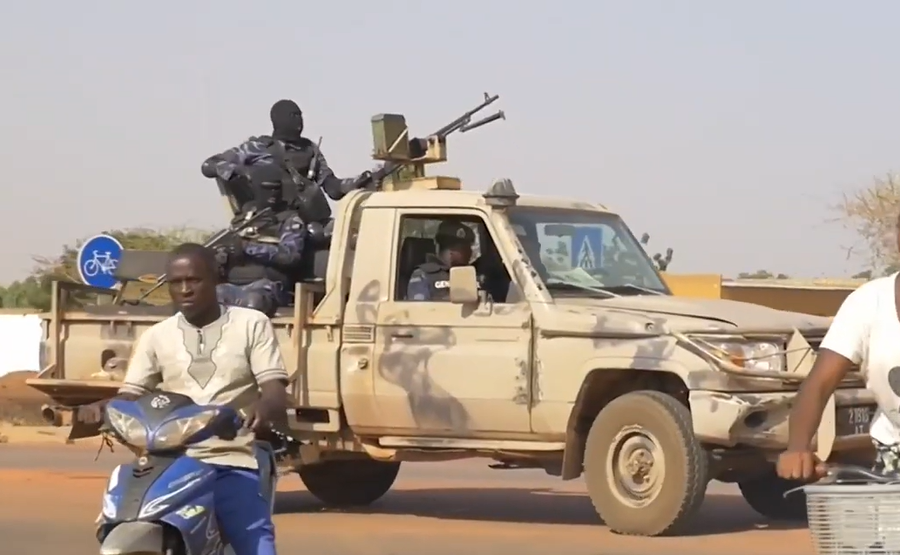
After years of relative calm in the mid-2010s, the security situation deteriorated sharply as armed groups linked to both al-Qaeda and the Islamic State expanded their operations across the country and into neighboring states.
According to data from ACLED and GDELT, Burkina Faso moved from a relatively “neutral” environment in 2015—with fewer than 50 conflict-related fatalities and roughly 50,000 media mentions—to a vastly more lethal landscape by the mid-2020s.
By 2024, conflict-related deaths had surged to nearly 10,000, while, on the other hand, global media coverage drastically fell to fewer than 6,000 mentions.
This divergence may suggest that as violence became more diffuse and fragmented, it drew less headline coverage despite growing human costs.
Several pivotal events help explain this trend. In late 2018 and early 2019 the Yirgou massacre, followed by reprisals between militias and armed groups in the Barsalogho area, foreshadowed the conflict’s spread beyond border regions.
Between 2022 and 2024, entrenched Islamist groups like JNIM and the Islamic State in the Greater Sahara carried out mass killings in Séno Province’s Kourakou and Tondobi attacks and other assaults that drove intense local displacement and casualties.
Amid this security collapse, the political landscape shifted dramatically. In 2022, a military coup brought Captain Ibrahim Traoré to power, accelerating the breakdown of democratic institutions and replacing them with a military-led transitional regime.
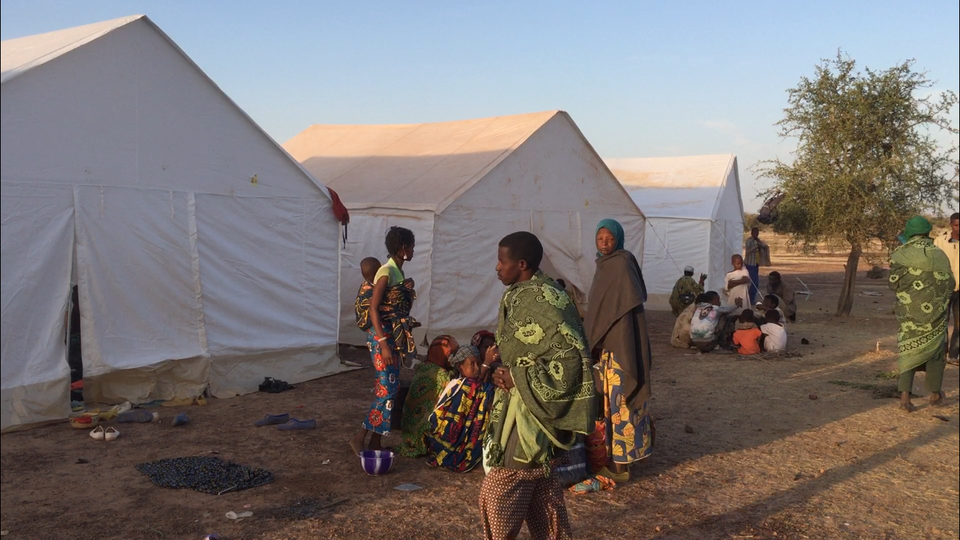
Meanwhile, millions remain internally displaced or in refugee status — a humanitarian reality barely captured in global media but starkly present in the lived experience of communities forced from their homes.
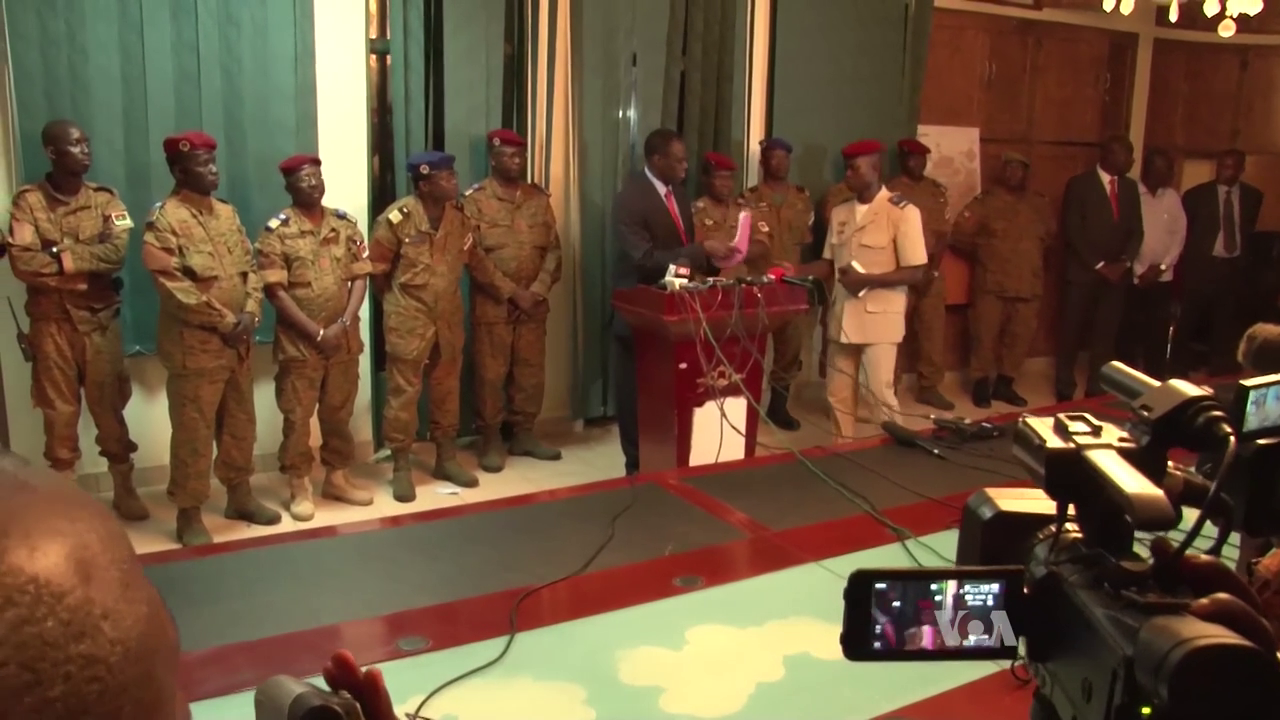
Confernce of the interim president Michel Kafando after the failed coup d'état of Gilbert Diendere and the recapture of the Naaba Koom camp, September 30, 2015
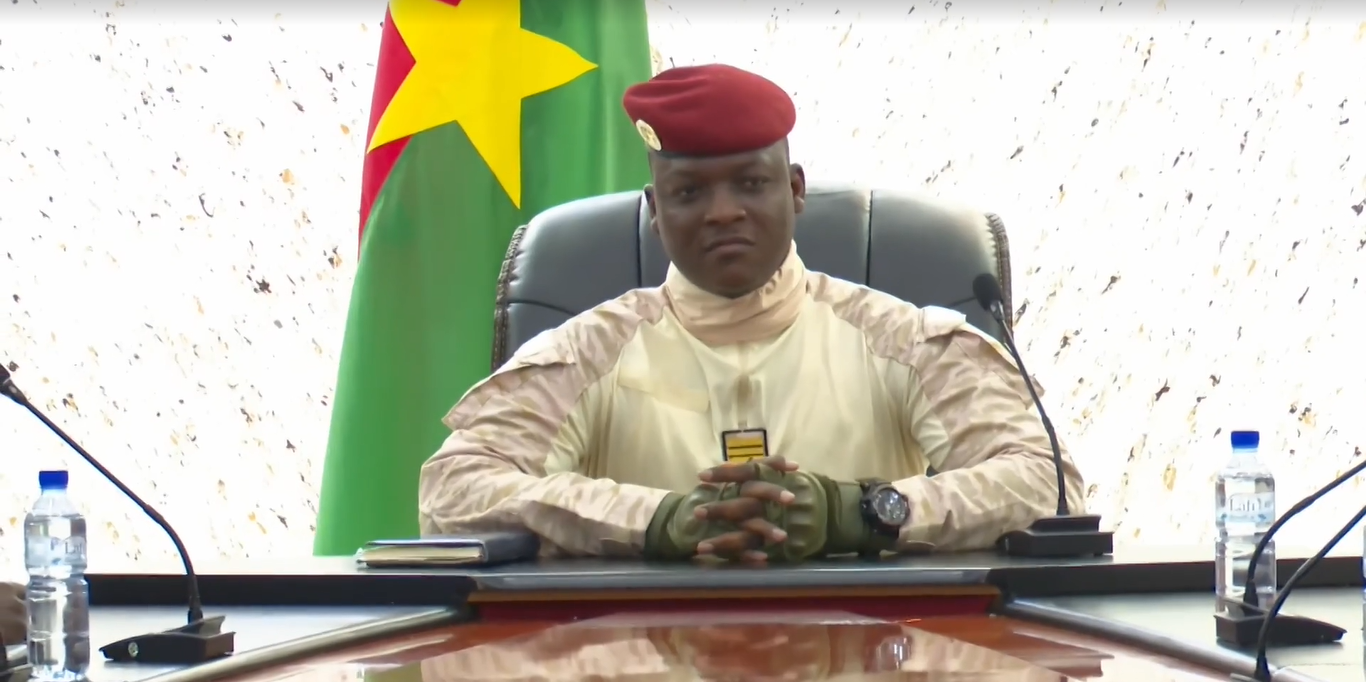
Captain Ibrahim Traoré, Transition President of Burkina Faso, during a meeting in Ouagadougou with a delegation from the Peace and Security Council of the African Union.
After exploring the individual stories behind the data in Myanmar and Burkina Faso, we try to compare them with one of the key conflicts of 2025, Palestine.
We compare the distribution of
media tone and event impact for Myanmar, Burkina, Palestine, and Italy.
By analyzing these metrics, we can gain insights into how the severity and nature of conflicts influence global media narratives and public perception.
Italy serves as a control case, representing a non-conflict scenario for comparison.
The tone metric ranges from -100 (extremely negative) to +100 (extremely positive), and it's calculated based on the sentiment of media coverage.
The score is computed as the difference between the percentage of positive words and the percentage of negative words in articles related to each event.
So a score of -20 would indicate that negative words outnumber positive words by 20 percentage points.
Notably, while Palestine exhibits a higher concentration of negative tones, the distributions looks relatively similar to Myanmar and Burkina Faso.
As expected, since Italy is not experiencing a conflict, its media tone distribution skews more positively compared to the other three countries.
The next plot examines the event impact metric across the same conflicts as before.
The event impact metric is based on the Goldstein scale, which rates events from -10 (most negative impact) to +10 (most positive impact) based on their severity and consequences to a country's stability.
For example, a score of -5 might represent the expulsion of people from a region, while a score of +5 could indicate a promise of aid or support; a score of -10 corresponds to extreme events like massacres or invasions.
It's important to understand that this metric is calculated using only conflict-related events, meaning that all the values will fall within the negative range.
It is easy to see how Palestine exhibits almost only events rated -10, indicating a high frequency of severe negative events such as massacres and invasions.
But also Myanmar and Burkina Faso show a significant concentration of events with highly negative impact scores.
It is important to note that the time period analyzed goes from 2021 to 2025, which means that for Burkina Faso, the data includes years prior to the major escalations in 2022 and onwards.
The Actors Behind the Stories
What are the Countries Involved in those Conflicts?
We can now turn to the question of who appears most often in coverage of these conflicts, and how those actors relate to one another. For each reported event, GDELT identifies two actors: a primary actor, which drives or initiates the action as described in the news, and a secondary actor, which the action involves or is directed toward. This distinction is descriptive rather than judgmental, and does not imply blame, intent, or victimhood. Actors can represent countries, institutions, organizations, or other prominent groups mentioned in reporting.
By analyzing the frequency of these actors in relation to specific conflicts, we can gain insights into the key players and their roles within these complex situations.
One trivial pattern stands out across all three word clouds: the country where the conflict takes place is also the most frequently mentioned actor. In each case, that country appears in both primary and secondary roles at comparable levels, suggesting that it is not only a central driver of events but also a focal point of actions taken by others.
Across all three conflicts, the influence of major Western powers—most notably the United States and France—is clearly visible. In the case of Myanmar, the United Kingdom also features prominently, reflecting its continued diplomatic and political engagement in the country.
The word clouds further suggest that proximity matters. Countries closest to each conflict, along with regional powers, tend to appear more frequently than distant states, underscoring the regional nature of many security dynamics.
In Myanmar’s case, the most prominent actors are Myanmar itself, the United States, and Bangladesh, reflecting both international attention and the large-scale displacement of Rohingya refugees across the border.
In Burkina Faso, the prominence of Burkina Faso, France, and Mali points to the regional spillover of violence in the Sahel and the legacy of foreign military involvement.
In the case of Palestine, Israel appears almost as prominently as Palestine itself, highlighting its central role in the conflict dynamics.
Conclusion
The Attention Gap: A Persistent Challenge
The analysis of media coverage and conflict dynamics in Myanmar, Burkina Faso, and Palestine reveals the presence of an "attention gap" in global media narratives. Despite the severe human costs and escalating violence in these regions, media coverage often does not proportionately reflect the reality of the conflicts.
We also learned that time and space are powerful barriers to attention. Conflicts that are protracted or occur in less accessible regions tend to receive less media coverage.
"In the End, we will remember not the words of our enemies, but the silence of our friends."
.jpg)